
Disclaimer: This information is educational and not a substitute for a doctor’s consultation. Sexual health concerns can have many causes; a qualified healthcare professional can help you choose safe and appropriate options.
Libido supplements: what it is and what to do
Quick summary in 30 seconds
- Libido supplements are over‑the‑counter products marketed to support sexual desire.
- Evidence varies widely by ingredient; some have limited or mixed research.
- Low libido can reflect stress, hormones, medications, or medical conditions.
- Safety matters: quality, interactions, and realistic expectations are key.
What is “Libido supplements” (definition in simple terms)
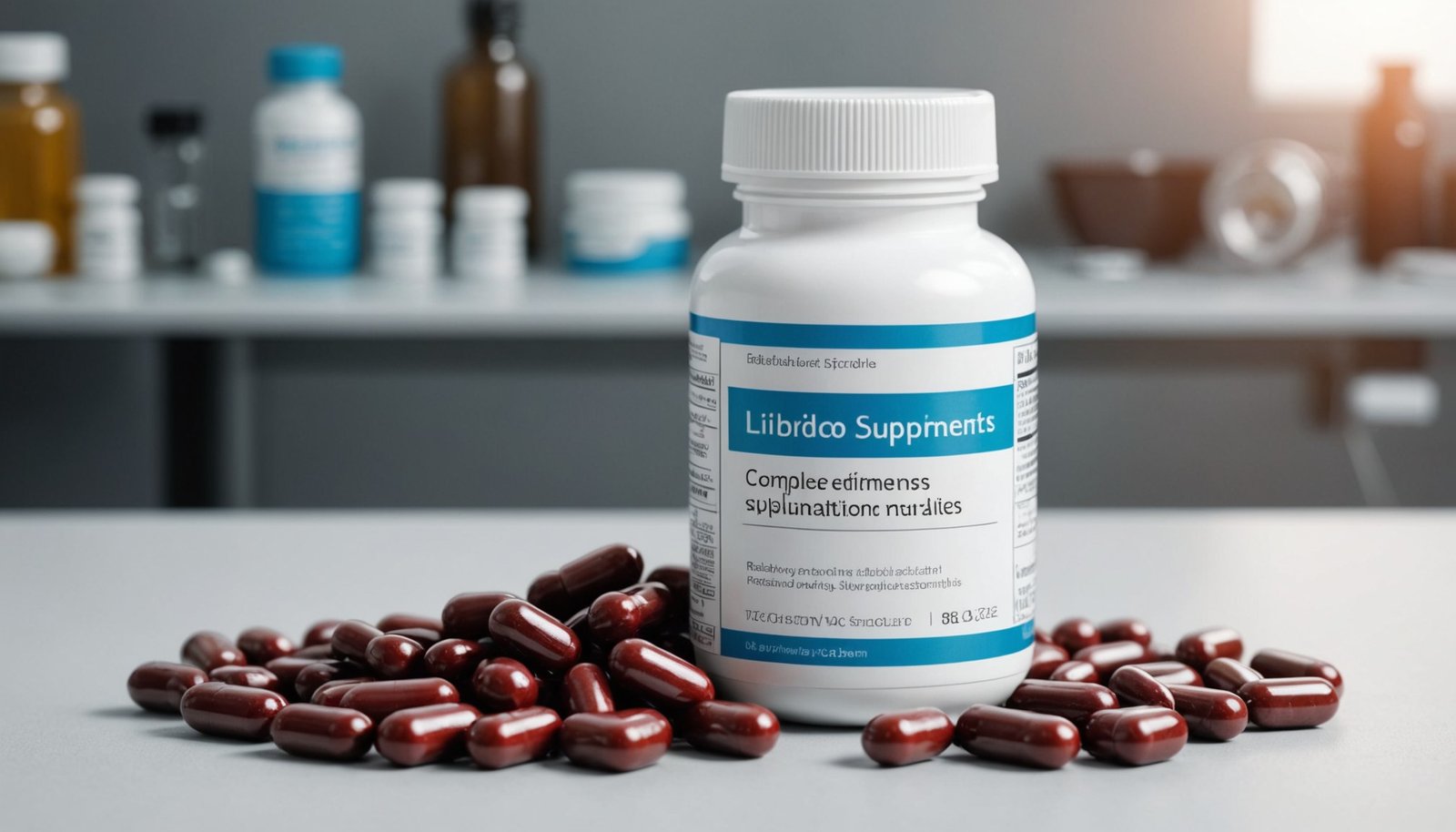
Libido supplements are dietary supplements—such as vitamins, minerals, herbs, or blends—sold to help support sexual desire (libido) in adults. They are not prescription drugs and are regulated differently than medications. Some focus on hormonal support, others on blood flow, mood, energy, or stress reduction.
People encounter these products across lifestyles and aesthetics—from minimalist studio setups to nature‑inspired wellness routines—often paired with broader health goals like fitness, sleep, and confidence.
Causes and risk factors
Interest in libido boosters often arises from factors that affect sexual desire rather than from a single condition:
- Psychological: stress, anxiety, depression, relationship strain.
- Hormonal: changes in testosterone, estrogen, thyroid hormones.
- Medical: diabetes, cardiovascular disease, chronic pain, sleep disorders.
- Medications: antidepressants, blood pressure drugs, hormonal therapies.
- Lifestyle: poor sleep, inactivity, excessive alcohol, smoking.
- Life stages: postpartum period, menopause, aging.
Because causes differ, supplements may help some people modestly while doing little for others.
Symptoms and how to distinguish from similar conditions
Low libido typically presents as reduced interest in sexual activity or fewer sexual thoughts. It’s important to distinguish this from:
- Erectile dysfunction or arousal disorders: physical response issues despite desire.
- Fatigue or burnout: low energy affecting many areas of life.
- Mood disorders: loss of pleasure across activities, not just sex.
| Symptom | What it may mean | What to do |
|---|---|---|
| Low sexual desire | Stress, hormonal changes, medication effects | Review lifestyle, discuss meds with a clinician |
| Normal desire but physical difficulty | Arousal or blood flow issues | Medical evaluation rather than supplements alone |
| Loss of pleasure overall | Mood or mental health concerns | Mental health screening and support |
Diagnosis (how it is usually confirmed, what tests/examinations are common)
There is no single test for “low libido.” Clinicians usually rely on:
- Medical history: symptoms, medications, lifestyle, relationship context.
- Physical exam: to check general health signs.
- Laboratory tests (when indicated): hormone levels, thyroid function, blood sugar.
- Questionnaires: validated tools assessing sexual desire and distress.
Supplements are often discussed after underlying issues are evaluated.
Treatment and approaches (overview of options without prescribing treatment to the reader)
Approaches to low libido are usually layered. Supplements are just one option.
Common supplement categories
- Herbal extracts: such as maca, ginseng, tribulus (evidence varies; quality matters).
- Nutrients: zinc, vitamin D (helpful mainly if deficient).
- Adaptogens: ashwagandha for stress modulation (limited but growing research).
Research quality ranges from small trials to mixed results; benefits, when present, are typically modest.
Non‑supplement strategies
- Address sleep, exercise, and stress management.
- Review medications with a healthcare professional.
- Relationship or sex therapy when relevant.
- Medical treatments when a diagnosable condition exists.
For lifestyle inspiration, see our Lifestyle wellness ideas and nature‑focused routines in Nature & holistic health.
Possible complications and when to see a doctor urgently (red flags)
- Sudden loss of libido with other symptoms (weight loss, fever, pain).
- Symptoms of hormonal disorders (breast changes, severe fatigue).
- Side effects from supplements (palpitations, mood changes, allergic reactions).
- Use of supplements alongside multiple medications—risk of interactions.
Seek medical care promptly if these occur.
Prevention and lifestyle
Preventive strategies often outperform supplements alone:
- Regular physical activity and balanced nutrition.
- Consistent sleep schedules.
- Mindfulness and stress reduction.
- Open communication with partners.
Confidence and self‑image also play a role—explore perspectives in our People & relationships section and visual storytelling in Portrait inspirations.
FAQ
Do libido supplements work?
Some people report benefits, but scientific evidence is mixed and often limited.
Are they safe?
Safety depends on ingredients, quality, and interactions. “Natural” does not always mean safe.
How long do they take to work?
If benefits occur, they are usually gradual over weeks; immediate effects are uncommon.
Can women use libido supplements?
Yes, some products are marketed to women, but evidence and safety considerations still apply.
Do they affect hormones?
Some claim hormonal effects, but clinically significant changes are not well established.
Should I replace medical treatment with supplements?
No. Supplements should not replace professional medical care.
Are online reviews reliable?
Reviews are subjective and can be biased; rely on evidence and professional advice.
What should I check on the label?
Ingredients, third‑party testing, warnings, and manufacturer transparency.